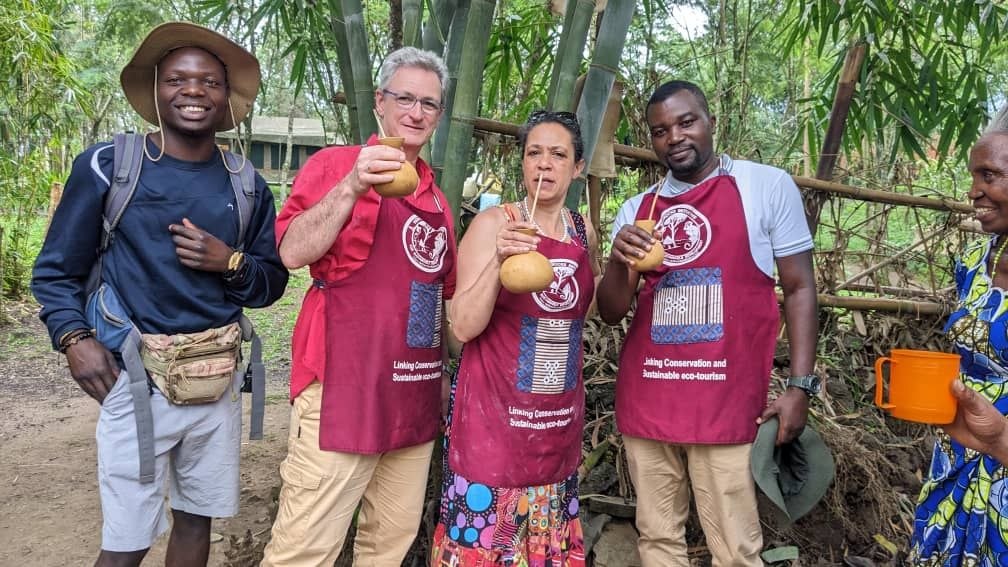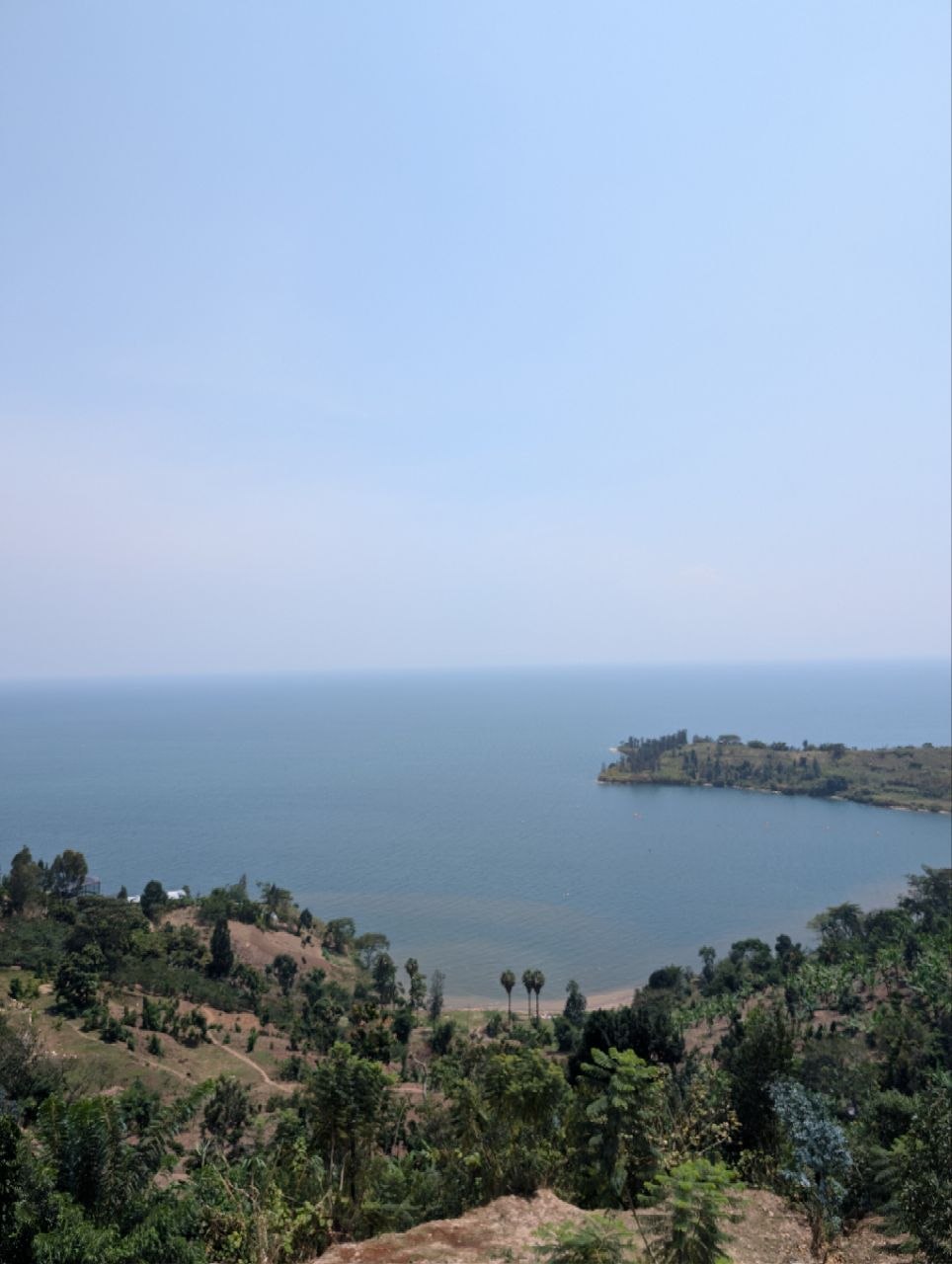
Short answer: Rwanda works as a honeymoon destination because you can pair a mountain gorilla trek in Volcanoes National Park with a quiet lakeside stay on Lake Kivu in a single week, without long internal flights. The classic romantic routing is two or three nights near Kinigi for the trek, then three nights on the water at Karongi (Kibuye) or Rubavu (Gisenyi), with an optional Nyungwe forest stop on the drive back to Kigali.
This guide covers what actually makes a Rwanda honeymoon work: the realistic routes, where to spend the nights, what to book first, what a trip costs, and the practical details — permits, visa, seasons, transport — that decide whether a romantic itinerary feels effortless or rushed. Nothing here promises a specific lodge or a specific sunset; those depend on your dates and what is available when you book.
Why Rwanda Works for a Honeymoon
Rwanda is small. That is the whole argument. The country is roughly the size of Belgium, and the drive from Kigali International Airport to the edge of Volcanoes National Park takes about two to two and a half hours on paved road. Lake Kivu is a further two to three hours west. That compactness means a honeymoon here is not a sequence of connecting flights and transfer days — it is a short drive between genuinely different landscapes: a volcanic rainforest, a freshwater lake the size of a small sea, and a clean, walkable capital.
The second reason is contrast. Very few destinations let you spend a morning in silent, dense forest with a habituated mountain gorilla family and an afternoon on a lake shore with a cold drink and no schedule. A Rwanda honeymoon built around those two experiences has a natural shape: one genuinely demanding, unforgettable day, then a deliberate slowing down.
It is also a comfortable destination for travellers who are not experienced in Africa. Roads between the main tourist towns are paved, English is widely spoken in the tourism sector, and Kigali is one of the most orderly capital cities on the continent. For a first trip to East Africa as a couple, that combination lowers the friction without removing the adventure.
How Many Days Do You Need?
Seven nights is the sweet spot. Ten gives you room for Nyungwe and a genuinely unhurried lake stay. Five is possible but tight, because a gorilla trek day consumes a full day and you need to be near the park the night before.
- 5 nights: two nights Kinigi for the trek, two nights Lake Kivu, one night Kigali. Works if your flights are well timed, but leaves no slack.
- 7 nights: two or three nights Kinigi, three nights Lake Kivu, one or two nights Kigali. The most common honeymoon shape and the easiest to get right.
- 10 nights: adds Nyungwe Forest on the southern route, or an extra lake night, or a couple of nights in Kigali at the start to recover from long-haul flights.
If your trip depends on a specific date — an anniversary, a birthday, a fixed wedding date — start the planning earlier rather than later. Daily gorilla permit numbers are limited and the better-situated lodges around Kinigi fill first in the peak months. Our month-by-month guide to the best time to visit Rwanda sets out the seasonal trade-offs in detail.
The Classic Itinerary: Volcanoes, Lake Kivu, Kigali
This is the routing most couples end up on, and for good reason: it moves west, then eases off, then returns to the city for the flight home.
Days 1–2: Arrive in Kigali, then drive to Kinigi
Land at Kigali International Airport, overnight in the city or drive straight to Musanze if your flight arrives in the morning. Musanze is the largest town near the park and has a good spread of accommodation; Kinigi sits at the park headquarters, where the trekking briefings happen, and is where you want to be the night before your trek. Our Musanze travel guide covers what is there and how the town works as a base.
Day 3: The gorilla trek
Trekking starts early. You register at park headquarters, are allocated a family, and are driven to the trailhead before walking into the forest with a guide and trackers. Trek duration varies genuinely — it can be under an hour of walking or several, depending on where the family moved the previous evening. After it, most couples do very little for the rest of the day, which is exactly why the following lake nights matter. Our complete guide to gorilla trekking in Rwanda covers the day hour by hour.

Days 4–6: Lake Kivu
Drive west to Karongi (Kibuye) or Rubavu (Gisenyi) and stop moving. This is where the honeymoon part of the trip actually happens: long mornings, boat time on the water, an afternoon swim, unhurried dinners close enough to the lake to hear it. Karongi is the quieter, more scenic of the two and a good base for two nights; Rubavu is larger, with more restaurants and easier access to the northern end of the lake.

Day 7: Return to Kigali
Drive back to Kigali — about two and a half to three hours from Rubavu, longer from Karongi — and spend the last night in the city before departure, rather than gambling on a same-day connection to an international flight.
Where to Stay: What Actually Matters
Rwanda’s accommodation ranges from simple guesthouses to some of the most expensive lodge rooms in Africa, and the price gap does not map neatly onto quality of experience. What matters for a honeymoon is location and pace, not star ratings.
- Near Volcanoes National Park: properties around Kinigi and Musanze range from comfortable mid-range hotels to high-end volcano-view lodges. The expensive option buys you a view of the Virunga chain and often full board, and it removes a pre-dawn drive on trek day. It does not buy a better trek — the forest and the gorilla family are the same for everyone.
- Lake Kivu: small lodges, guesthouses and community-run places line the shoreline at Karongi and Rubavu. A room a few metres from the water at a modest price is often a better honeymoon night than a large hotel room set back from the lake.
- Nyungwe Forest: if you add the southern route, forest-edge accommodation trades lake views for canopy mist and bird call. Different, not better.
Our guide to the best things to do at Lake Kivu sets out the towns, the shoreline and the practical differences between Karongi and Rubavu.
Booking Order: What to Reserve First
There is a correct sequence, and getting it wrong is the most common way a Rwanda honeymoon becomes stressful.
- Gorilla permits. These are the fixed, limited, non-negotiable item in the whole trip. Book them first for your preferred date, then build everything else around them.
- International flights. Once the permit date is fixed, book the flights to match — arriving at least one full day before the trek so a delay does not cost you the permit.
- Accommodation. Particularly the two nights closest to the park, which sell out fastest in peak season.
- Everything else. Boat time, transfers, city days and cultural visits are flexible and can be arranged closer to travel.
A gorilla permit in Rwanda costs US$1,500 per person per trek. That figure is set by the Rwanda Development Board and goes directly into park management, community development and veterinary care for the gorillas. It is the single largest line in most Rwanda honeymoon budgets, and it is worth being clear about before you build the rest of the itinerary. Our guide to how much a Rwanda safari costs breaks the whole picture down.
Adding a Second Trek: Golden Monkeys
If you want a second wildlife day without a second gorilla permit, golden monkey trekking in Volcanoes National Park is the obvious choice. It is a shorter, gentler morning than the gorilla trek, it happens in the bamboo zone on the lower slopes, and it is a fraction of the cost. Many couples put it on the day after the gorilla trek before driving west — you are already in Kinigi, and it fills a morning that would otherwise be a slow start.
It is a different experience, not a lesser one: golden monkeys move fast, in large groups, through bamboo, and the photography is genuinely challenging in an enjoyable way. See our complete guide to golden monkey trekking in Rwanda for how the morning works.
Adding Nyungwe Forest
Nyungwe National Park sits in the south-west, between Kigali and the lake if you take the southern route. It is one of the oldest rainforests in Africa and the reason to come is the canopy walkway: a 160-metre suspended bridge up to 70 metres above the forest floor, reached by walking the Igishigishigi trail from the Uwinka reception centre. It is the single most photogenic thing in Rwanda that is not a gorilla.
Nyungwe also offers chimpanzee trekking, thirteen species of primate, and a network of hiking trails of varying length and difficulty. Rentable boots, raincoats and walking sticks are available at park headquarters, and the paths genuinely do get muddy after rain — the forest is wet for a reason. If you have ten nights rather than seven, the southern routing through Nyungwe then out to the lake is the version worth building. Our Nyungwe Forest hiking trails guide compares the route options.
Practical Planning Details
Visa and entry
Most visitors pay US$50 for a 30-day single-entry holiday visa, or US$70 for a multiple-entry version valid 90 days. The East Africa Tourist Visa costs US$100 and covers Rwanda, Kenya and Uganda with multiple entries over 90 days, which is worth it if your honeymoon extends into Uganda for a second gorilla trek or into Kenya for a beach finish. Our Rwanda visa and entry requirements guide has the full published fee schedule.
Getting around
You have two realistic options. A driver-guide removes all navigation, road-condition and logistics decisions from your trip, which on a honeymoon is usually the point. Self-drive is cheaper and more independent but puts you on unfamiliar roads, on the right-hand side of the road, in a country where unsurfaced park approaches and steep lodge driveways are a genuine consideration in the rainy months. Our car hire in Rwanda guide compares the two honestly.
Seasons
The drier months — broadly June to September, and the shorter dry window around December to February — give the most dependable weather and the highest demand. The rains bring green hills, full waterfalls, quieter lodges and lower rates, at the cost of muddier trails and more rain in the afternoons. For a honeymoon, the shoulder weeks at the start and end of the dry seasons are often the best value: dry-season conditions with less pressure on permits and rooms.
Money, tips and connectivity
Carry small US dollar notes for tips and park-adjacent spending; cards work at mid-range and upmarket hotels, lodges and restaurants in the main towns, and mobile money is widely used locally. On tipping, porters, trackers, rangers, lodge staff and drivers are the people it is meant for — our tipping in Rwanda guide gives realistic ranges per situation. Mobile coverage is good in Kigali, Musanze, Rubavu and Karongi and patchier inside forests and remote lodges, so download offline maps before park days.
What to pack
For the trek: long trousers, long sleeves, gardening gloves for the nettles, broken-in boots with grip, a rain layer, and a dry bag for electronics. Rwanda bans single-use plastic bags, so do not arrive with them. Layer for cold mornings and warm afternoons — Kinigi sits at altitude and the pre-dawn briefing is genuinely cold. For the lake, add swimwear and something comfortable for a long dinner.
Is a Rwanda Honeymoon Right for You?
It is the right choice if at least one of you wants a wildlife experience that most people never have, and you are happy for the romance to be quiet rather than choreographed. A lake shore at Karongi, a boat ride, a long dinner and a morning with gorillas is a genuinely remarkable week — and it is achievable in seven nights from arrival to departure without a single internal flight.
It is the wrong choice if you want a beach-and-resort honeymoon where every day is predictable and nothing requires an early alarm. Rwanda’s best moments start before sunrise.
If you want to combine East Africa more broadly — Rwanda’s primates, Uganda’s Bwindi forest, and Tanzania’s Serengeti and Ngorongoro Crater — the trip becomes a two-week itinerary rather than one week. Our Uganda gorilla trekking guide and our 5-day Tanzania safari cover those extensions.
Plan Your Rwanda Honeymoon with Gorilla Nest Expeditions
Gorilla Nest Expeditions is a Rwanda-based operator arranging tailor-made journeys across Rwanda, Uganda and Tanzania — gorilla and golden monkey trekking, lake stays, forest and volcano hikes, cultural experiences and full itineraries built around your dates and pace. Every itinerary is shaped around your own travel dates, group size and interests rather than sold as a fixed departure.
Email us at info@Gorilla Nest Expeditionsexpeditions.com with your dates and what you have in mind, or message us on WhatsApp at +250 782 399 193, and we will tell you honestly what works in your window and what does not.
Related trips and guides: Lake Kivu Tour & Relaxation Retreat, Rwanda Gorilla Trekking Tour in Volcanoes National Park, 9-Day Rwanda Discovery Experience, and the complete guide to gorilla trekking in Rwanda.
Frequently asked questions
Is Rwanda a good honeymoon destination?
Yes, if you want wildlife and quiet water rather than beaches and resorts. A week pairs a mountain gorilla trek in Volcanoes National Park with lake nights on Lake Kivu, connected by short paved drives rather than internal flights. It suits couples who are happy with early starts and unscripted afternoons.
How many days do you need for a Rwanda honeymoon?
Seven nights is the most practical length: two or three nights near the park for the trek, three nights at Lake Kivu, and a final night in Kigali before your flight. Ten nights lets you add Nyungwe Forest. Five is possible but leaves no slack for delays.
How much does a Rwanda honeymoon cost?
The single largest fixed cost is the gorilla permit at US$1,500 per person per trek, set by the Rwanda Development Board. On top of that come international flights, accommodation, transport and activities. A honeymoon budget depends mainly on how high-end your lodge choices are and whether you travel in peak season. Our Rwanda safari cost guide sets out realistic ranges.
Do we both need a gorilla permit?
Yes, if you both want to trek. Permits are per person, and there is no couple or companion rate. If only one of you wants to trek, the other can spend the morning around Kinigi or Musanze — but most couples trek together, and it is the shared memory that makes the trip.
What is the best time of year for a Rwanda honeymoon?
The drier months, broadly June to September and a shorter dry window around December to February, give the most reliable weather. The shoulder weeks just before and after peak give similar conditions with less demand on permits and lodges. The rainy months are greener and quieter with lower lodge rates, but trails are muddier.
Can you combine a Rwanda honeymoon with Uganda or Tanzania?
Yes. The East Africa Tourist Visa covers Rwanda, Kenya and Uganda for US$100 with multiple entries over 90 days, which makes a Rwanda-plus-Uganda or Rwanda-plus-Kenya trip straightforward. Tanzania requires its own entry arrangements. Adding a second country turns the trip into roughly two weeks rather than one.
Is Rwanda safe for a honeymoon?
Rwanda is widely regarded as a safe destination for visitors, and tourist routes between Kigali, Musanze, the national parks and Lake Kivu are well established. Normal travel precautions apply, and you should check your own government’s current travel advice for your dates before booking.
Sources and further reading
- Visit Rwanda — Canopy Walkway (bridge length, height, Igishigishigi trail, equipment rental)
- Visit Rwanda — Kwita Izina (gorilla naming ceremony, 460 gorillas named across 21 editions)
- Rwanda Development Board — Increase of Gorilla Permit Tariffs (US$1,500 permit, exclusive family package)
- Wikipedia — Volcanoes National Park (park area, Virunga volcanoes, Dian Fossey and the Karisoke Research Centre)
- UNESCO World Heritage Centre — Nyungwe National Park (rainforest status, biodiversity and primate species)
Permit prices, park rules, visa fees and lodge availability can change, and river and trail conditions vary with the season. All figures above are the currently published rates and are reconfirmed with you at the time of booking.